Table of Contents
When it comes to customer support, businesses face a critical decision: Phone Answering vs Chatbots. Both options offer distinct benefits, but each has its own strengths and limitations. While phone answering services provide the advantage of personal, human interaction, chatbots excel at automating responses to simple queries. But how do you decide which solution is best suited for your business? In this article, we’ll explore the key differences between Phone Answering vs Chatbots, the advantages of each, and how to determine which option fits your company’s customer service needs.
What Is a Phone Answering Service?

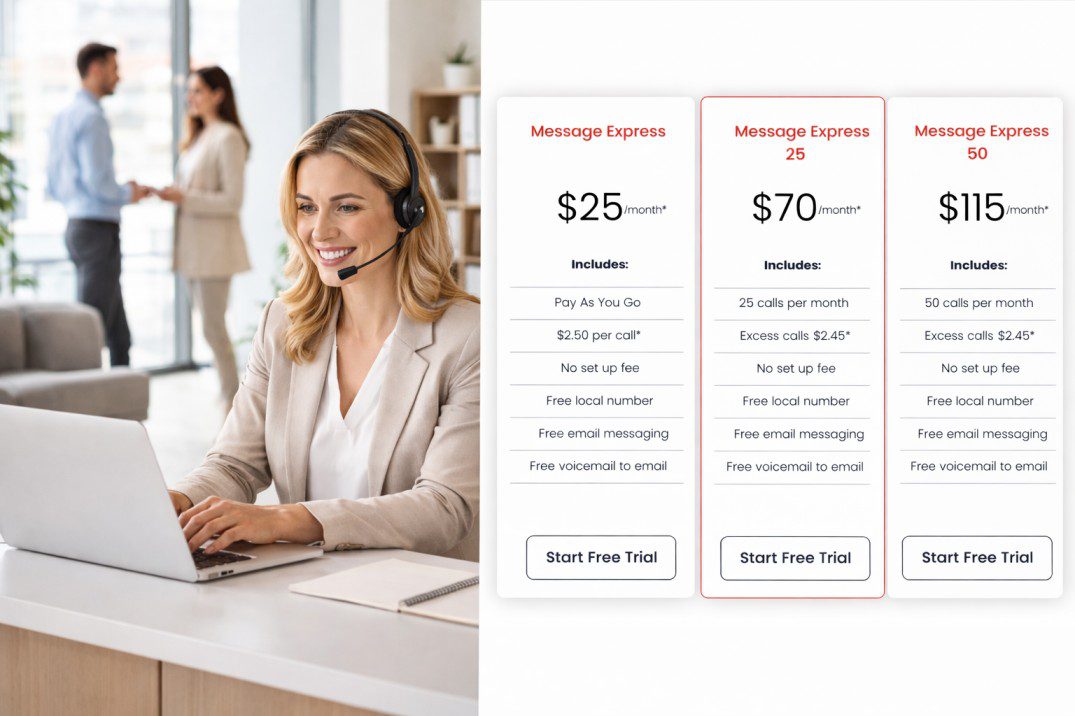
Phone answering services are essential business support solutions that rely on professionally trained receptionists to handle incoming calls. These receptionists interact with customers, capture key details, answer questions, record messages, and transfer urgent calls as needed. Businesses that use phone answering services can ensure that no call goes unanswered, regardless of the time of day.
Phone answering services help companies maintain personal relationships with customers, especially in industries where trust and communication are crucial. This solution offers a human touch, which can make a world of difference in delivering customer satisfaction. Receptionists who understand the business’s values and objectives are equipped to provide tailored responses to each call, strengthening the overall customer experience.
Phone answering services are also designed to help businesses manage fluctuating call volumes. Whether handling overflow calls during peak hours, managing appointment bookings, or covering after-hours calls, these services are an indispensable tool for maintaining seamless communication. By reducing missed calls and ensuring timely responses, businesses can maximize customer retention and improve their reputation for reliability.
What Are Chatbots?
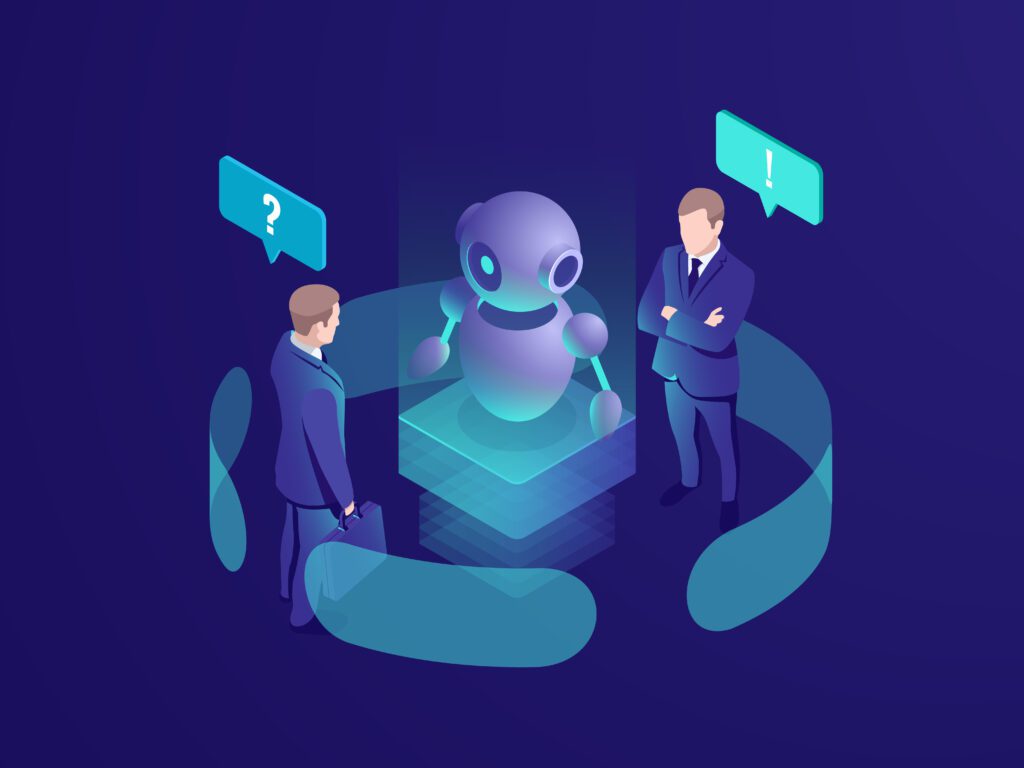
Chatbots, on the other hand, are automated tools designed to interact with customers via pre-programmed scripts or artificial intelligence (AI) models. These tools operate through messaging platforms and can provide immediate responses to commonly asked questions. Chatbots are commonly used in industries where speed and efficiency are key, such as e-commerce, customer service, and tech support.
One of the main benefits of using chatbots is their ability to manage large volumes of customer inquiries simultaneously. Chatbots excel at handling repetitive tasks like answering frequently asked questions, guiding users through product features, and providing simple troubleshooting instructions. With a chatbot, businesses can provide 24/7 support without needing to hire additional staff.
However, chatbots have limitations. They can only respond based on the programming they’ve received, and they struggle when faced with more complex or emotionally sensitive customer issues. Unlike human receptionists, chatbots lack empathy and the ability to think critically about unique situations. As a result, businesses that prioritize a personal, human-centered customer experience may find chatbots insufficient for their needs.
What Is the Difference Between Phone Answering Services and Chatbots?
When comparing Phone Answering vs Chatbots, it’s important to consider factors such as personalization, complexity, customer expectations, and the specific needs of your business. Here’s a more detailed look at the key differences between the two options:
| Feature | Phone Answering Service | Chatbot |
|---|---|---|
| Interaction Type | Human receptionist handling live calls | Automated messaging system |
| Personalisation | High – receptionists adapt to the caller’s needs | Limited – responses are based on scripts |
| Availability | Business hours, after-hours, or 24/7 | 24/7 automated availability |
| Handling Complex Enquiries | Able to manage complex or sensitive issues | Limited to predefined scenarios |
| Cost Structure | Based on service plan and call volume | Lower ongoing cost once set up |
| Customer Experience | Personal, empathetic, flexible | Fast, but can feel impersonal |
| Setup Time | Immediate or short onboarding process | Requires development and integration |
| Flexibility | Can adjust based on the caller’s needs | Limited to programming parameters |
| Error Handling | Receptionist clarifies misunderstandings | Errors may occur if input is unclear |
| Use Cases | Appointments, urgent queries, lead capture | FAQs, basic support, simple transactions |
As shown in the table, Phone Answering vs Chatbots presents two very different approaches. Phone answering services offer a personalized, human touch that is critical in situations requiring empathy, while chatbots excel in providing fast, automated responses to standard inquiries.
Phone Answering vs Chatbots: Which Is Best for Your Business?
The choice between phone answering services and chatbots depends on the specific needs of your business. Let’s take a closer look at the advantages and ideal scenarios for both options.
Benefits of Phone Answering Services
Phone answering services provide a level of personalization and flexibility that chatbots cannot replicate. The human touch is particularly important in businesses that require trust-building and customer empathy, such as healthcare, legal services, and luxury products. With a live receptionist, customers feel heard, understood, and valued, which can significantly improve customer retention rates and overall satisfaction.
For businesses with complex or high-stakes customer queries, phone answering services are a better fit. Receptionists can handle sensitive inquiries, manage more complicated issues, and adjust responses based on the caller’s needs. Additionally, phone answering services are ideal for urgent situations where prompt, human intervention is necessary.
Benefits of Chatbots
Chatbots excel in high-volume, low-complexity situations where speed and efficiency are the primary objectives. For businesses dealing with a large number of repetitive inquiries—such as FAQ pages, basic troubleshooting, or order tracking—chatbots offer an excellent solution that can handle hundreds of inquiries simultaneously.
One of the biggest advantages of chatbots is their 24/7 availability, making them an excellent tool for businesses that need to provide round-the-clock support. Furthermore, chatbots are cost-effective in the long run, as the initial setup cost is often offset by the savings on staffing.
Ultimately, businesses that rely on straightforward customer queries and want to optimize their efficiency may find chatbots to be a more effective option. However, for businesses that prioritize customer relationships and require personalized responses, phone answering services are a superior choice.
Who Is the Leading Phone Answering Services Provider in Australia?
Ruby Receptionist is a trusted provider of phone answering services vs chatbots in Australia. Ruby Receptionist offers top-notch call management, ensuring that businesses never miss an important customer call. With flexible support options and consistently high-quality service, Ruby Receptionist helps businesses across Australia manage their calls more efficiently, creating a professional and reliable brand image. Whether you’re considering phone answering vs chatbots, Ruby Receptionist provides the personal touch that enhances customer relationships and elevates your business’s customer service experience.
Why You Should Choose Ruby Receptionist for Call Answering in Australia?
Ruby Receptionist is a standout provider due to its commitment to delivering personalized service. Every call is answered by a trained receptionist who understands the company’s needs and communicates effectively with customers. By partnering with Ruby, Australian businesses can benefit from enhanced customer engagement, better time management, and a more professional customer experience without the overhead costs associated with in-house staff.