
Running a small business in Australia means dealing with fast-moving clients, growing competition, and the pressure to stay available without blowing the budget. That’s why many owners are comparing virtual reception setups with traditional front-desk reception. Both approaches have strengths, but choosing the right one depends on how you work, how your customers communicate, and what level of support your team needs day-to-day.
This guide explores costs, reliability, customer experience, staffing issues, and the long-term practicality of each option. My goal here is to give you clear, helpful information, shaped by what I’ve seen many local businesses struggle with. You’ll find checklists, tables, and practical takeaways that make your decision easier.
What Is Virtual Reception?
A virtual reception system gives your business professional call handling, message taking, appointment support, and customer communication—without hiring full-time in-house staff. It blends trained remote receptionists with smart call-management technology.
Many small businesses in Australia choose virtual reception because it performs the same tasks as a front-desk receptionist but at a fraction of the cost.
Why Australia Businesses Are Switching
Australia has a unique environment: a mix of corporate offices, solo professionals, medical suites, tech startups, and local service providers. These businesses rely heavily on quick responses, accurate messages, and reliable customer service.
That’s where virtual reception services stand out:
- No need for physical space
- No HR or staffing hassles
- Coverage during lunches, meetings, and sick days
- Easy to scale as your business grows
These features make it highly appealing to businesses operating on tight schedules and even tighter budgets.
Virtual Reception vs Traditional Reception: Quick Comparison Table
| Feature | Virtual Reception | Traditional Reception |
|---|---|---|
| Cost | Low monthly subscription | Full-time salary + overheads |
| Availability | Extended hours, no sick days | Limited to work hours |
| Flexibility | Easily scalable | Requires rehiring/training |
| Office Space | None required | Front desk and equipment |
| Technology | Cloud-based tools | On-site systems |
| Reliability | High uptime | Dependent on single staff member |
| Best for | Small–medium businesses | Businesses with heavy foot traffic |
The Benefits of Virtual Reception for Australian Businesses
Below are the biggest advantages businesses in our area experience.
1. Cost Savings
Hiring a full-time receptionist can be expensive, especially with Sydney wages. Add superannuation, training, equipment, and desk space, and the cost climbs even higher.
A virtual reception service provides everything for one predictable monthly cost—no hidden overheads.
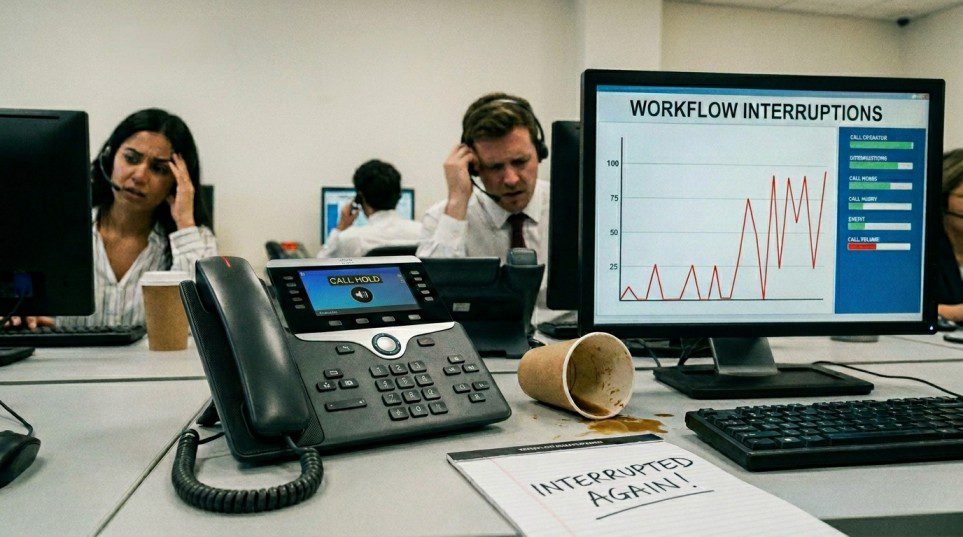
2. No Missed Calls
Small businesses often lose clients simply because they’re busy with other work. With virtual reception, every call is answered professionally, even during peak periods.
3. Flexible Hours
Australia attracts clients across multiple industries, many of whom expect availability outside standard hours. Having extended call coverage helps you stay ahead of competitors.
4. Professional Image
Clients value businesses that answer promptly and courteously. Virtual reception ensures consistent professionalism, even on your busiest days.
5. Simple Scalability
Need more call handling during a busy season? Need less during slower months? Virtual reception adjusts instantly.
Traditional Reception: When It Still Makes Sense
While many local businesses find virtual reception a better fit, traditional reception still has a role.
1. Heavy Foot Traffic
If you regularly welcome walk-ins—such as medical clinics or large offices—traditional reception might still be useful.
2. Physical Document Handling
Some industries need someone physically present to process paperwork or manage deliveries.
3. In-Person Customer Support
If your business model depends heavily on face-to-face greetings, an on-site receptionist may remain the best fit.
Cost Breakdown: Virtual Reception vs Traditional Reception
Average Monthly Costs in Australia
| Cost Type | Virtual Reception | Traditional Reception |
|---|---|---|
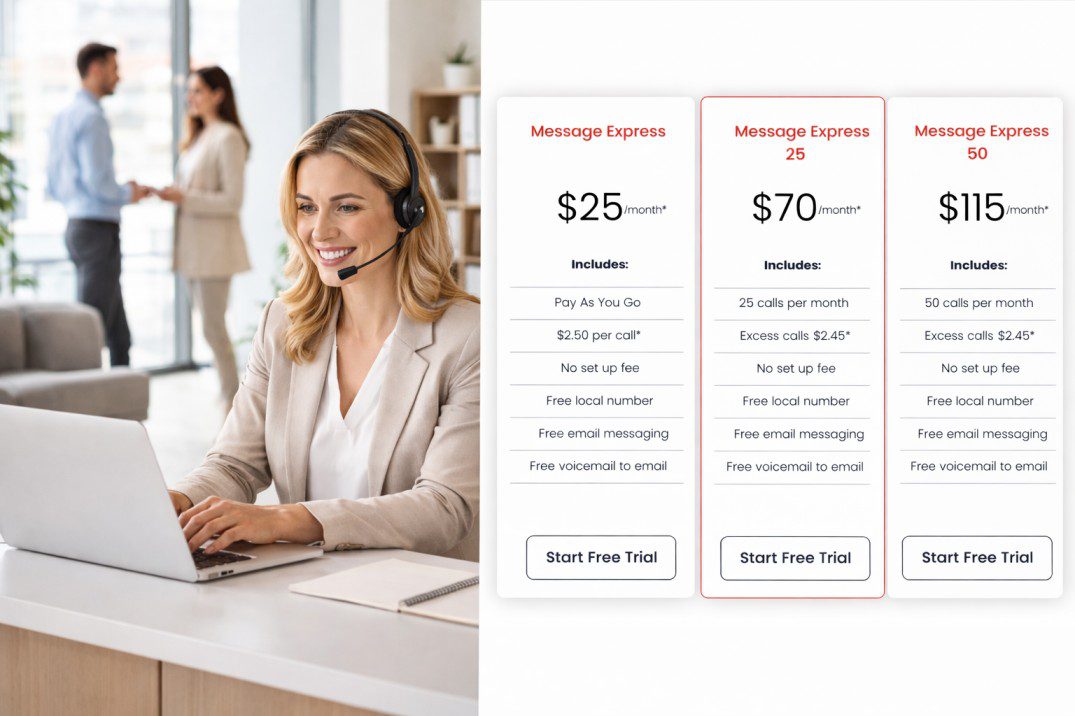
| Salary / Subscription | $200–$600 per month | $4,500–$6,500 per month |
| Super & Leave Entitlements | Included | Required |
| Office Space | Not required | Required |
| Tech & Equipment | Included | $300–$1200 initial setup |
| Total Annual Cost | $2,400–$7,200 | $60,000–$80,000+ |
For many small businesses, this cost difference is significant.
Checklist: Should Your Business Choose Virtual Reception?
Use this quick checklist to help guide your decision:
- You want to reduce admin workload
- You receive more calls than you can handle
- You want predictable monthly costs
- You don’t need staff physically at the desk
- You want better availability for clients
- You need flexibility as your business grows
If most of these apply, virtual reception is likely the better choice.
How Virtual Reception Improves Customer Experience
Customers in Australia expect smooth, fast, and professional communication. When someone calls your business, they want:
- A real person answering
- Clear information
- Quick solutions
- Follow-up when needed
Virtual reception services excel at delivering this consistently. No rushed greetings, no background office noise, no unanswered calls.
This creates a strong first impression—especially important for professional fields like law, accounting, trades, wellness, and consultancy.
Automation + Human Support: The Winning Combination
Today’s best reception systems blend technology with real people.
Examples include:
- Smart call routing
- Instant message delivery
- Integrated appointment scheduling
- CRM updates
- Call notes emailed in real time
For those who want to understand the tech behind these systems, visit here.
This balance between automation and personal attention is what makes modern virtual reception both efficient and human-centred.
Local Advantage: Why This Matters in Australia
Australia’s businesses must stay competitive in one of the busiest commercial districts in the country. Reliable communication is a big part of that.
Virtual reception helps businesses:
- Look more established
- Handle corporate-level call volumes
- Respond faster to enquiries
- Avoid common customer-service bottlenecks
Whether you’re running a local consultancy or a service-based startup, responsive communication can be the difference between winning and losing clients.
If you want to explore what a complete reception setup looks like, you can read more about our service offerings here:
- Explore our services
- Browse industry solutions
- Learn about our company
- Contact us for a tailored solution
These pages can help you map out the type of reception support your Australia’s business needs.
Which Is Better for Small Businesses?
If your business:
- Operates on a tight budget
- Receives many phone enquiries
- Wants a professional image
- Can’t afford missed calls
- Needs flexibility without HR complexity
Then virtual reception is very likely the better option.
Traditional reception still works well for businesses with heavy in-person interactions, but for most modern organisations—especially in Australia—virtual reception is more practical, more affordable, and more reliable.
Conclusion
Choosing between traditional reception and virtual reception depends on your business needs, but for most small businesses in Australia, virtual solutions offer greater value, lower costs, and more flexibility. They give you reliable customer support without the overheads of hiring and managing full-time staff.
If you’re ready to streamline communication, reduce admin pressure, and deliver a better experience to your clients, reach out to Ruby Receptionist today.
Visit our Contact Us page or call Tel: 1300 72 10 73 for friendly, expert help.