A live answering service for medical practices has become an essential communication solution for healthcare providers across Australia. Many clinics still rely on voicemail when staff are unavailable, but this approach can create serious challenges for both patients and medical teams.
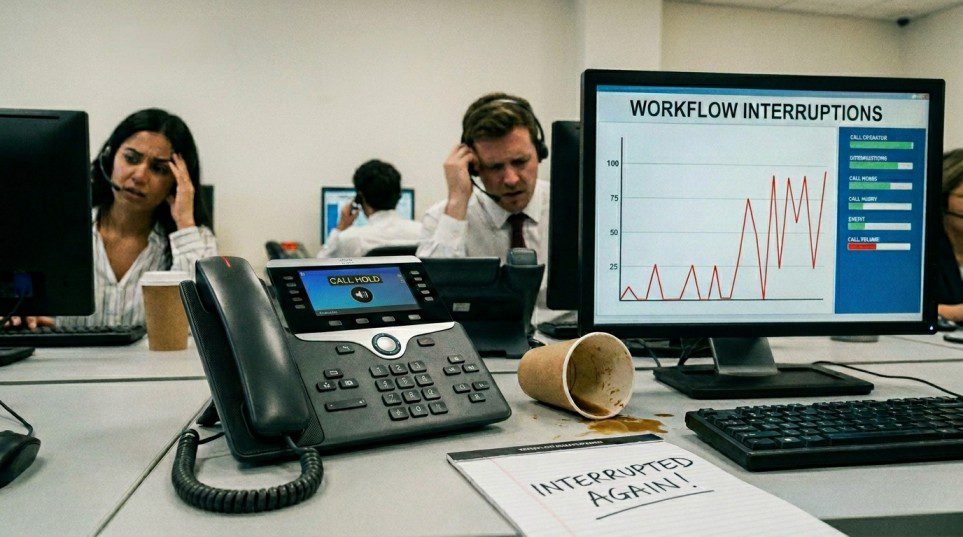
When patients call a clinic, they are often seeking immediate support. They may want to book an appointment, ask about symptoms, or follow up on treatment. Hearing a voicemail message instead of speaking to a real person can create frustration and uncertainty.
Healthcare communication has changed dramatically in recent years. Patients expect quick responses, clear information, and reliable access to their providers. When calls go unanswered, patients may simply contact another clinic.
For modern healthcare providers, strong communication systems are no longer optional. Ensuring every call is answered professionally helps clinics maintain patient trust and improve operational efficiency.
This is why clinics are turning to live answering services for medical practices when reception staff cannot answer calls.
Healthcare communication standards are also evolving nationally. The Australian Government continues to highlight the importance of accessible patient communication through healthcare services. More information about national healthcare priorities can be found at https://www.health.gov.au/
The Limitations of Voicemail in Medical Practices
Voicemail can be helpful in some industries, but healthcare is different. Patients who contact a clinic are often dealing with health concerns, anxiety, or urgent scheduling needs.
When patients hear a recorded voicemail greeting, several issues can occur.
Common problems associated with voicemail include:
- Patients hanging up without leaving a message
- Delayed responses to patient questions
- Missed appointment opportunities
- Increased patient frustration
- Reduced confidence in the clinic’s accessibility
Patients want reassurance that their call matters. Speaking to a real person immediately creates a sense of trust and professionalism.
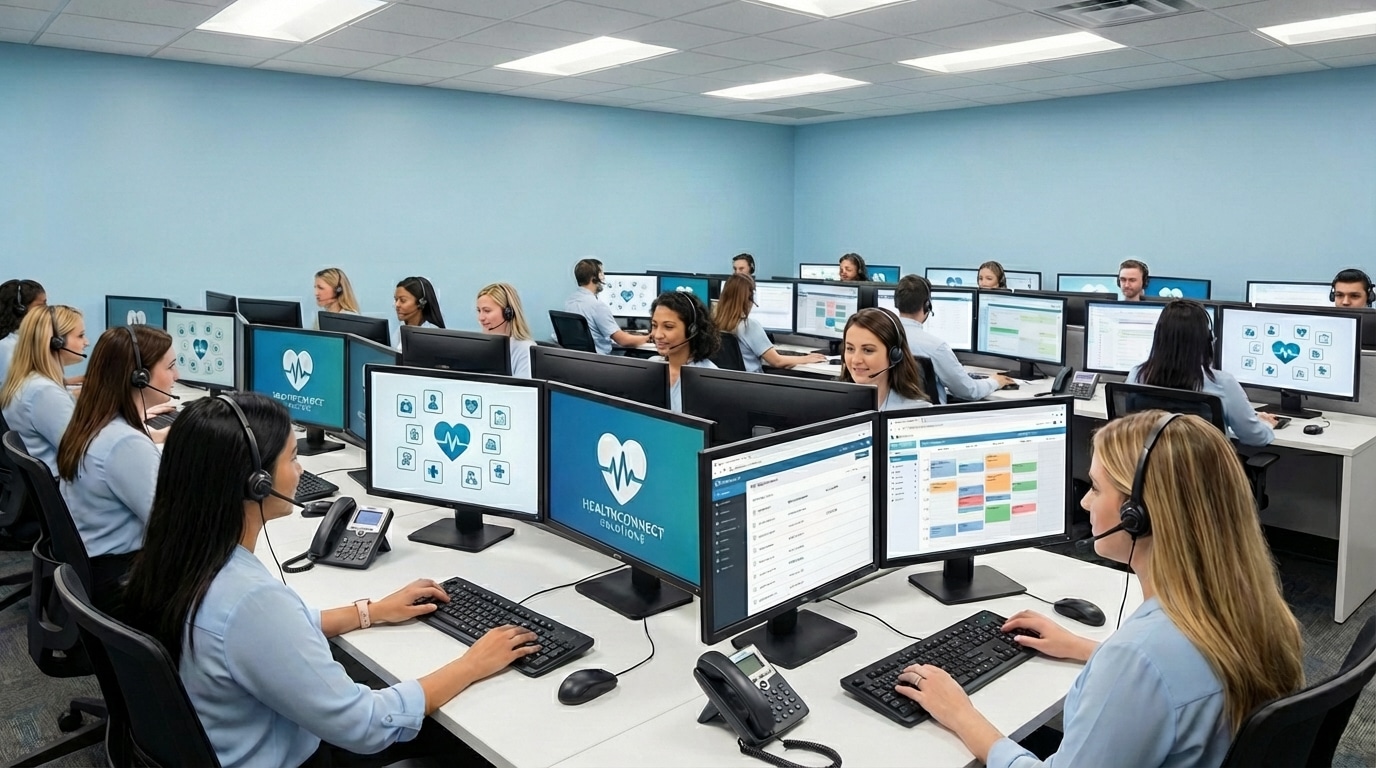
A live answering service for medical practices ensures that calls are handled by trained professionals who understand how to communicate clearly and respectfully with patients.
Why Immediate Human Interaction Matters in Healthcare
Healthcare communication is personal. When a patient calls a clinic, it often means they need guidance, reassurance, or medical information.
In Australia’s healthcare environment, patients increasingly expect responsive communication from providers. Long wait times, voicemail messages, or unanswered calls can negatively impact the patient experience.
Immediate human interaction offers several benefits:
- Patients feel heard and supported
- Clinics reduce missed appointment bookings
- Urgent concerns can be escalated quickly
- Communication remains clear and accurate
By implementing a live answering service for medical practices, clinics ensure that every patient receives prompt assistance regardless of how busy the practice becomes.
Supporting Busy Reception Teams
Medical reception teams are responsible for many tasks throughout the day. They manage patient check-ins, schedule appointments, process paperwork, and coordinate with clinical staff.
Answering every phone call while handling these responsibilities can be extremely challenging.
During peak hours, calls may go unanswered simply because staff are assisting patients in person.
A live answering service for medical practices provides additional support by ensuring incoming calls are handled by trained reception professionals. These professionals can assist with several essential tasks.
Typical call handling support includes:
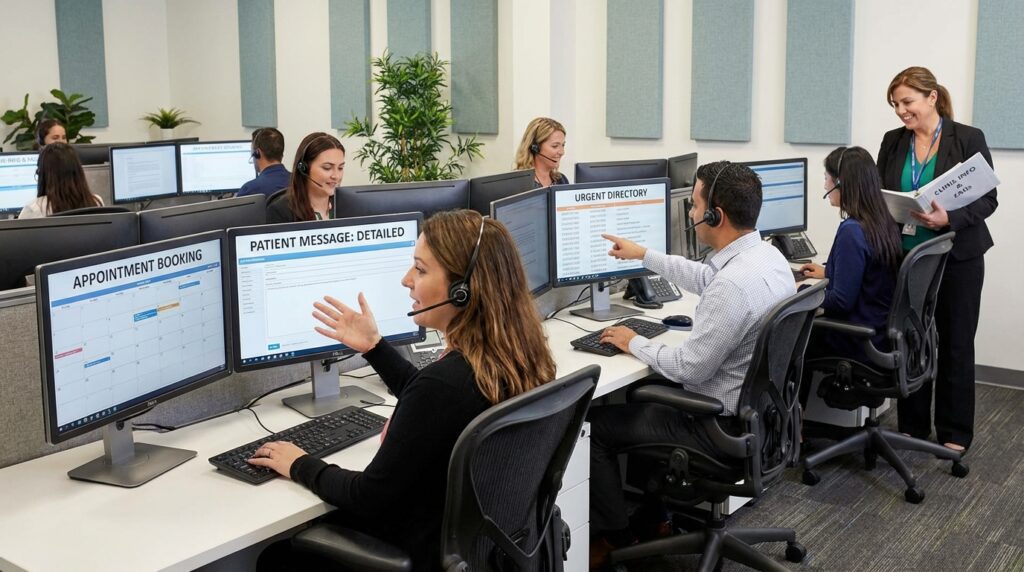
- Booking or confirming appointments
- Taking detailed patient messages
- Providing clinic information
- Directing urgent calls to the appropriate staff
- Assisting with general inquiries
This approach allows internal staff to focus on patient care while ensuring communication remains consistent.
Clinics interested in improving patient communication systems can explore available solutions through
Ruby Receptionist services
The Financial Impact of Missed Calls
Many clinics do not realise how many calls go unanswered each day. Even a small number of missed calls can lead to lost revenue and reduced patient engagement.
Consider how missed calls can affect appointment bookings.
| 5 calls | 3 bookings | 15 patients |
| 10 calls | 6 bookings | 30 patients |
| 20 calls | 12 bookings | 60 patients |
Each missed call may represent a patient who needs medical care. When voicemail replaces direct communication, the clinic may lose that opportunity.
A live answering service for medical practices ensures every call receives attention, helping clinics capture more appointment bookings and maintain patient engagement.
When Medical Clinics Need Additional Call Support
Many practices experience periods where phone activity increases significantly. Without proper systems in place, reception teams can quickly become overwhelmed.
Common situations where clinics struggle with call volume include:
- Morning appointment scheduling rush
- Seasonal illness outbreaks
- Staff shortages or annual leave
- Lunchtime reception gaps
- After-hours patient inquiries
During these periods, voicemail often becomes the default fallback. Unfortunately, voicemail does not provide the reassurance or immediate response patients expect.
Using a live answering service for medical practices allows clinics to maintain reliable communication during busy periods.
Improving Patient Experience Through Better Communication
Patient experience is a key factor in healthcare reputation. Many Australians now evaluate medical providers based not only on treatment quality but also on accessibility and service.
Positive patient communication experiences often include:
- Friendly and professional phone greetings
- Clear answers to questions
- Simple appointment booking processes
- Prompt responses to patient concerns
Poor communication experiences often begin with unanswered calls or voicemail systems that delay responses.
By implementing a live answering service for medical practices, clinics can provide consistent communication that supports a positive patient experience.
Best Practices for Managing Medical Calls
Healthcare providers who want to improve patient communication should follow structured call management practices.
Below is a helpful checklist used by many successful clinics.
Patient Call Management Checklist
| Answer calls within three rings | Improves professionalism |
| Provide accurate clinic information | Reduces patient confusion |
| Offer appointment scheduling assistance | Increases booking rates |
| Ensure after-hours call coverage | Maintains accessibility |
| Use trained reception professionals | Enhances patient trust |
Implementing these practices helps clinics improve patient satisfaction while maintaining efficient workflows.
A live answering service for medical practices helps ensure these best practices are consistently followed.
Strengthening Your Medical Practice Website
Modern healthcare clinics must also ensure their websites provide clear information about communication and patient services.
Patients searching online for clinics in Australia often evaluate websites before making a call.
Providing helpful information about services, appointment processes, and patient support can improve trust and engagement.
Healthcare websites often include service pages explaining how patient calls are handled. Clinics can provide details about their medical answering support to reassure patients that assistance is available when they call.
Transparent communication builds confidence and encourages patients to choose the clinic for their healthcare needs.
Supporting Growth for Healthcare Practices
As medical practices grow, patient communication demands also increase. What worked for a small clinic may not be effective once patient numbers rise.
More patients typically mean:
- Higher call volumes
- More appointment bookings
- Increased administrative workload
- Greater expectations for responsiveness
A live answering service for medical practices provides scalable communication support that grows alongside the clinic.
Instead of hiring additional reception staff immediately, clinics can maintain professional call handling without increasing internal administrative pressure.
The Future of Patient Communication in Australia
Technology continues to change the way healthcare providers interact with patients. Online appointment systems, digital health platforms, and telehealth services have all become more common.
However, phone communication remains one of the most important ways patients contact clinics.
Patients still prefer speaking to a real person when discussing health concerns. This human interaction provides reassurance that automated systems cannot replicate.
Medical practices that prioritise strong communication systems will continue to stand out in Australia’s competitive healthcare environment.
Reliable phone support ensures that patients can always reach someone who can help.
Conclusion
Voicemail may seem like a convenient solution for missed calls, but it often leads to delays, missed opportunities, and patient frustration. In healthcare, communication plays a critical role in building trust and delivering quality care.
A live answering service for medical practices allows clinics to ensure every patient call is answered professionally and efficiently. This improves patient satisfaction, supports clinic operations, and helps medical teams focus on delivering care.
Practices across Australia that want to improve patient communication can explore professional answering solutions through Ruby Receptionist.
If your clinic is ready to improve accessibility and patient support, visit the
contact page or learn more about available solutions at https://rubyreceptionist.com.au/
You can also speak directly with the team to discuss your clinic’s needs. Tel: 1300 72 10 73