Table of Contents
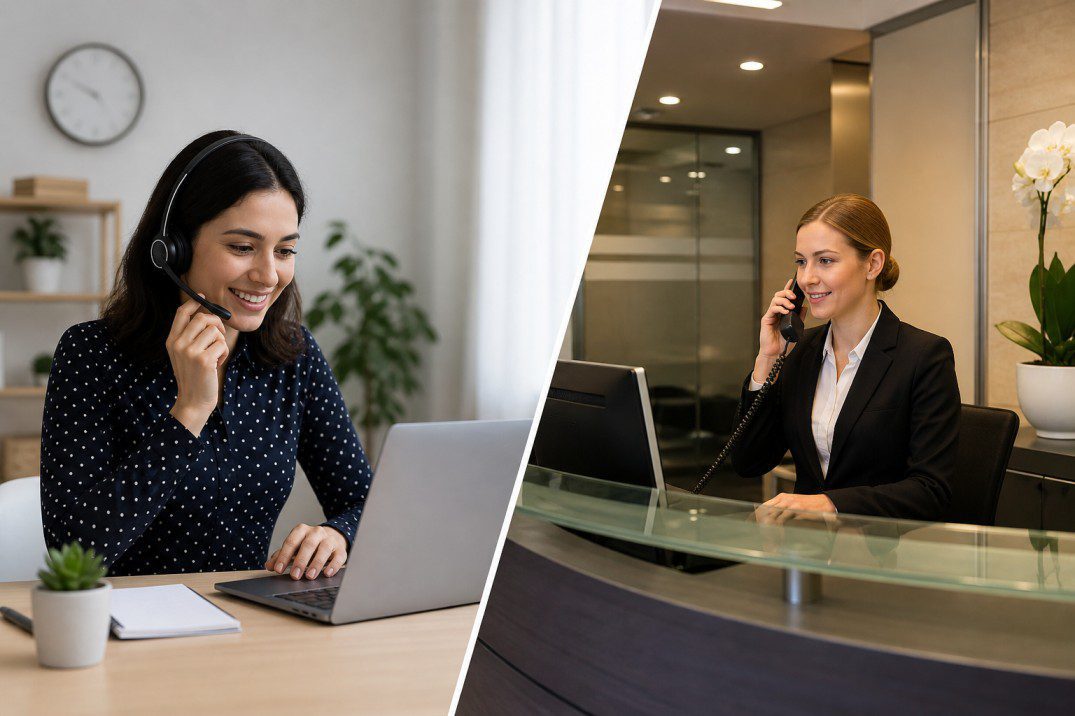
When choosing between a virtual receptionist vs in-house receptionist, Australian businesses make a practical decision that affects cost, efficiency, and customer experience. Each handles calls, bookings, and brand representation, but in different ways.
If your business is growing in Australia, your choice depends on goals, budget, and scaling needs. This guide offers clear, practical advice to help you make confident decisions.
Understanding the Basics
What Is a Virtual Receptionist?
A virtual receptionist is a remote professional or team managing calls and customer interactions off-site through cloud systems, answering in real time.
Instead of hiring full-time staff, you outsource reception duties. This model is increasingly popular in Australia, especially for flexible, professional small and medium businesses.
In Australia, the choice between a virtual receptionist vs in-house receptionist is becoming more important as businesses aim to stay lean and responsive. This decision goes beyond cost; many owners also weigh flexibility and long-term scalability. As customer expectations rise, choosing between a virtual receptionist vs in-house receptionist matters, because it affects how quickly and professionally inquiries are handled. Therefore, making the right choice early helps businesses avoid unnecessary overhead while maintaining a strong first impression.
If you want to explore how this works in practice, you can review this service here: virtual receptionist vs in-house receptionist
What Is an In-House Receptionist?
An in-house receptionist is a full- or part-time employee who works at your business location. They handle front desk tasks, greet clients, and manage incoming communication during business hours.
This setup is common in offices needing a physical presence, such as clinics, law firms, and corporate spaces.
Key Differences That Matter
Cost Comparison
Labour costs in Australia continue to rise, making staffing decisions more critical for small businesses. According to data from the Australian Bureau of Statistics, wages and employment costs have steadily increased across multiple industries, pushing many businesses to consider more flexible staffing models.
Cost is a major factor in the decision to hire a receptionist.
In-House Receptionist Costs:
- Salary (average in Australia: $50,000–$70,000 per year)
- Superannuation
- Leave entitlements
- Training costs
- Office space and equipment
Virtual Receptionist Costs:
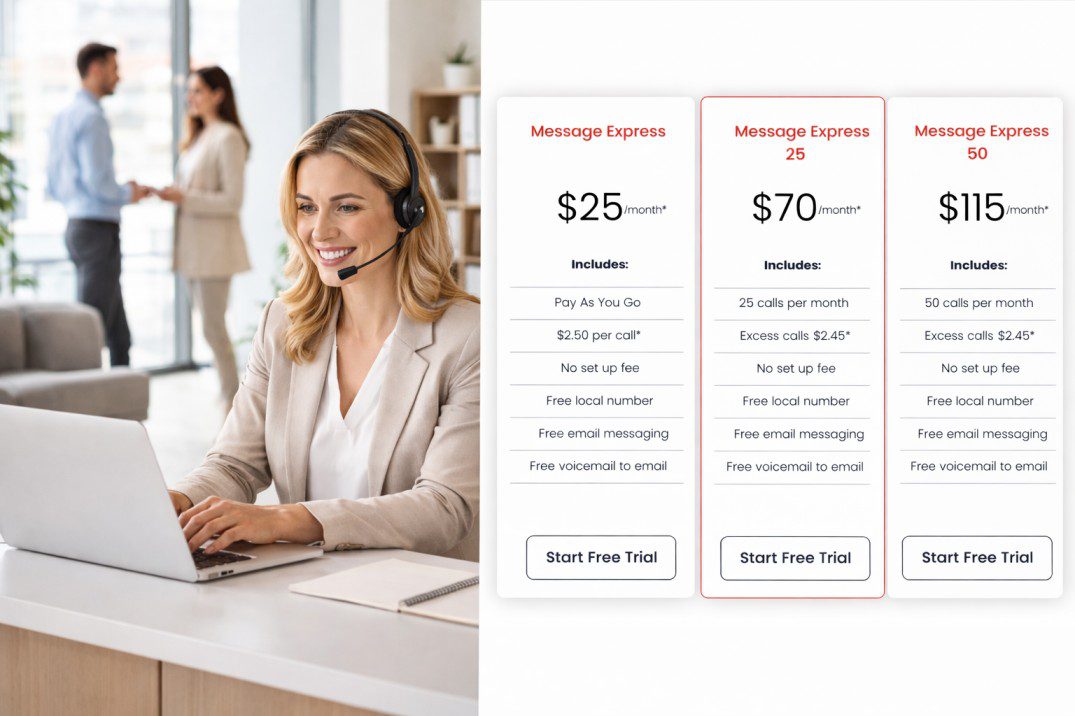
- Monthly subscription or pay-as-you-go pricing
- No additional overhead costs
- Scalable depending on call volume
For many Australian businesses, outsourcing reduces fixed costs more than traditional in-house operations, while maintaining service quality at similar levels.
Availability and Coverage
An in-house receptionist works standard hours. Calls may go unanswered outside those times unless you hire more staff.
A virtual receptionist service can offer:
- Extended hours or 24/7 coverage
- No missed calls during lunch breaks or leave
- Consistent availability during peak periods
This makes a strong case for virtual vs. in-house receptionists, especially in service industries.
Scalability
Growth exposes limitations of traditional staffing.
With an in-house receptionist:
- Increased workload may require hiring additional staff
- Scaling takes time and resources
With a virtual receptionist:
- Services scale instantly based on demand
- No recruitment or training delays
For fast-growing businesses, flexibility becomes a key advantage.
Customer Experience and Professionalism
First Impressions Matter

Your receptionist is often the first contact. Professionalism is critical for both virtual and in-house options.
A skilled virtual receptionist team is trained to:
- Follow scripts tailored to your business
- Maintain consistent tone and messaging
- Handle multiple calls efficiently
An in-house receptionist can offer:
- Personal face-to-face interaction
- Immediate on-site coordination
The best choice depends on whether your business values phone communication or physical visits more.
Consistency vs Personalization
Consistency often gives virtual services an edge.
Virtual teams:
- Follow structured processes
- Maintain consistent service quality
- Reduce variability caused by human factors like fatigue
In-house staff:
- Can build personal relationships with repeat clients
- Offer a more familiar presence
Both are valuable, but consistency wins for high-volume businesses.
Productivity and Efficiency
Time Management
An in-house receptionist often juggles multiple tasks, lowering efficiency during busy times.
Virtual receptionists focus solely on communication tasks:
- Faster call handling
- Reduced wait times
- Better call routing
This focus boosts overall efficiency.
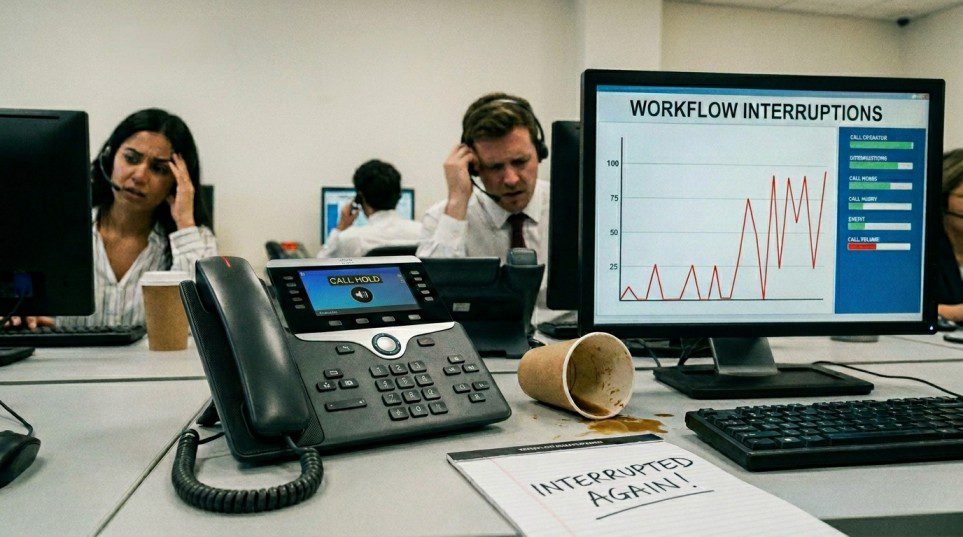
Reduced Interruptions
Owners and teams lose productivity taking calls themselves.
A virtual receptionist ensures:
- Fewer interruptions
- Better workflow continuity
- More time for revenue-generating tasks
This benefit stands out in the virtual vs in-house comparison.
Technology and Integration
Modern Tools
Virtual receptionist services use advanced systems such as:
- Call routing software
- CRM integration
- Appointment scheduling tools
These tools improve service and offer data insights.
In-house receptionists may rely on:
- Manual systems
- Limited software depending on business setup
Technology gives virtual services an edge in efficiency and reporting.
Best Fit by Business Type
When a Virtual Receptionist Is the Better Choice
A virtual receptionist is ideal if:

- You want to reduce operational costs
- Your business relies heavily on phone communication
- You need after-hours support
- You are scaling quickly
Industries in Australia that benefit include:
- Trades and home services
- Medical and allied health
- Legal firms
- Real estate agencies
Explore broader service options here:
https://rubyreceptionist.com.au/services/
When an In-House Receptionist Works Better
An in-house receptionist may be more suitable if:
- You require a physical front desk presence
- Your business has high foot traffic
- You need on-site coordination
This is common in:
- Corporate offices
- Hotels
- Large clinics
Decision Checklist
Use this quick checklist to guide your choice:
Choose a Virtual Receptionist if:
- You want lower overhead costs
- You need flexible hours
- You want scalable support
- You handle high call volumes
Choose an In-House Receptionist if:
- You need face-to-face interaction
- Your business requires physical presence
- You prefer direct supervision
Australia-Specific Considerations
Australian businesses face unique challenges:
- Rising labor costs
- Competitive service expectations
- Demand for fast response times
A virtual receptionist offers cost control and consistent service for these challenges.
You can also explore industry specific solutions here: https://rubyreceptionist.com.au/industry/
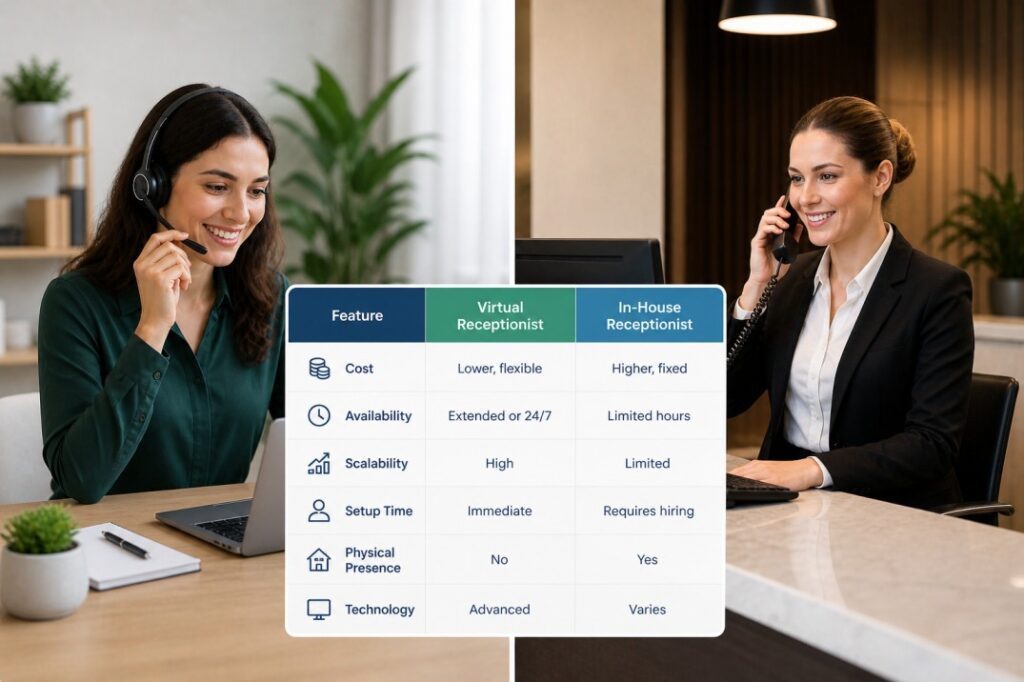
Comparing Side by Side
| Feature | Virtual Receptionist | In-House Receptionist |
|---|---|---|
| Cost | Lower, flexible | Higher, fixed |
| Availability | Extended or 24/7 | Limited hours |
| Scalability | High | Limited |
| Setup Time | Immediate | Requires hiring |
| Physical Presence | No | Yes |
| Technology | Advanced | Varies |
This table highlights why many businesses lean toward outsourcing in the virtual receptionist vs in-house receptionist decision.
Common Misconceptions
“Virtual Means Less Personal”
This is no longer true. Modern virtual receptionists are trained to sound natural, friendly, and aligned with your brand voice.
“In-House Is Always Better”
While in-house staff offer physical presence, they come with higher costs and limited flexibility. The better option depends on your business model, not tradition.
Future Trends in Reception Services
Across Australia, businesses are shifting toward hybrid and remote solutions. Efficiency, automation, and scalability are becoming top priorities.
The demand for virtual receptionists is growing because they:
- Reduce costs
- Improve response times
- Support remote work environments
This trend reinforces the value of carefully evaluating the choice between a virtual receptionist vs in-house receptionist.
Final Thoughts
Choosing between a virtual receptionist vs in-house receptionist is not about which is universally better—it’s about what fits your business best.
If your priority is flexibility, cost savings, and scalability, a virtual receptionist is often the smarter option. If your business depends on face to-face interaction, an in-house receptionist may still be necessary.
For many Australian businesses, the shift toward virtual services is proving to be both practical and profitable.
If you are ready to improve how your business handles calls and customer interactions, explore how Ruby Receptionist can support your growth.
Visit the contact page to get started: https://rubyreceptionist.com.au/contact/
Or speak directly with a team member today at Tel: 1300 72 10 73
You can also learn more about the company here: https://rubyreceptionist.com.au/
A well-managed reception system can transform how your business communicates—and the right choice today can support your growth for years to come.